
Principle of forward and reverse rotation of single-phase asynchronous motor
Release Time:
2024-10-19
Single phase asynchronous motors are classified according to their starting methods, mainly including phase separated starting and shield pole starting. Phase separation starting can be divided into two categories: resistance phase separation and capacitance phase separation. Among them, capacitor phase separation is widely used and mainly divided into single value capacitor starting type, single value capacitor starting and running type, and dual value capacitor type.
Single phase asynchronous motors are classified according to their starting methods, mainly including phase separated starting and shield pole starting.
Phase separation starting can be divided into two categories: resistance phase separation and capacitance phase separation.
Among them, capacitor phase separation is widely used and mainly divided into single value capacitor starting type, single value capacitor starting and running type, and dual value capacitor type.
The schematic diagram is as follows:
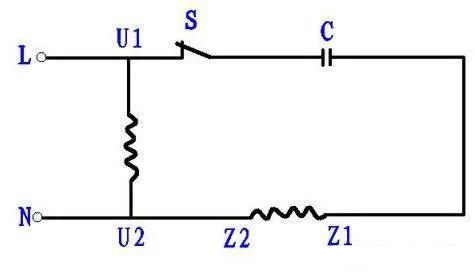
Figure 1: Single value capacitor start-up type
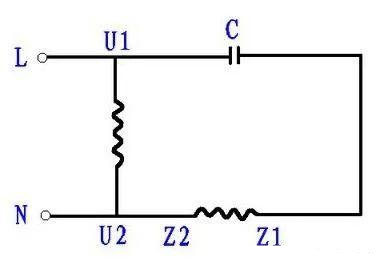
Figure 2: Single value capacitor startup and operation type
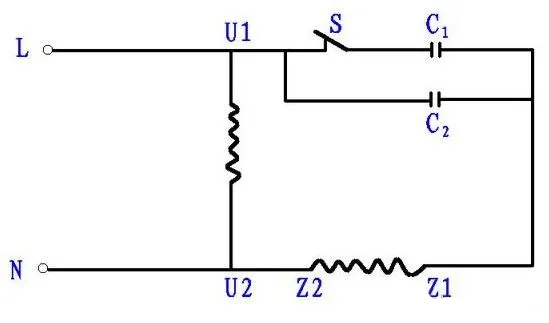
Figure 3: Dual value capacitor type
Figure 1, single value capacitor starting type. When the motor starts and the speed reaches 75% of the rated speed, the centrifugal switch S opens, cutting off the capacitor C and the secondary windings Z1 and z2. This type of single-phase motor operates above 300W. https://www.dgzjw.com/
Figure 2, single value capacitor start-up and operation type, where the capacitor has both start-up and operation functions. Applied to single-phase motors below 300W.
Figure 3, dual value capacitor type, when the motor speed reaches 75% of the rated speed, the centrifugal switch opens and the starting capacitor C1 is cut off.
So, how do single value capacitor motors and dual value capacitor motors achieve forward and reverse rotation?
We know that it is relatively easy to reverse the three-phase asynchronous point motor, as long as two of the motor wires are arbitrarily adjusted, the reverse will be achieved. In contrast, single-phase asynchronous motors are more troublesome.
In practical applications, single capacitor motors often make the starting winding and running winding wire diameters and resistance values the same in order to simplify forward and reverse rotation.
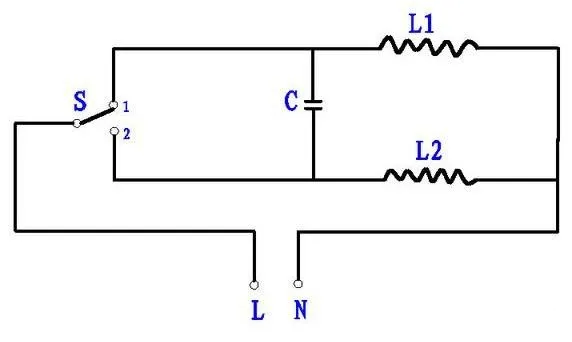
Figure 4
As shown in Figure 4, turn the control switch to position 1 and the motor rotates forward. Move to position 2 and reverse the motor.
The forward and reverse adapter wires of the dual value capacitor motor are shown in the following figure.
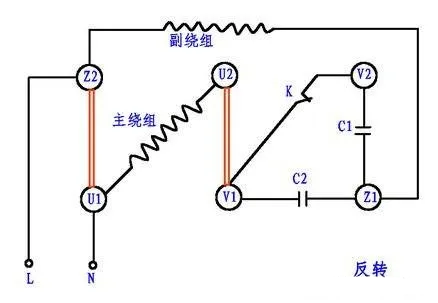
Figure 5
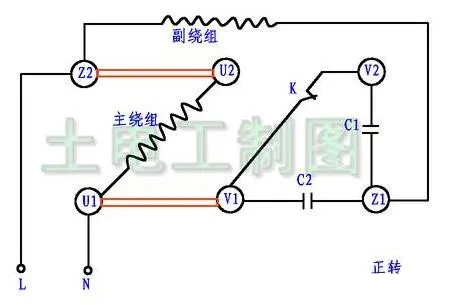
Figure 6
In Figure 5, there are six terminal posts inside the motor junction box, with red indicating connecting pieces. Z2 is connected to U1, U2 is connected to V1, and the motor rotates forward.
Figure 6: To reverse the motor, change the connection plate to connect Z2 to U2 and U1 to V1. This will adjust the ends of the main winding and change the motor to reverse.
Related News