
How can precision reducers achieve high-precision motion control?
Release Time:
2025-08-04
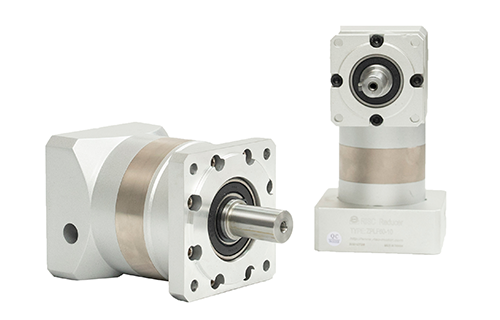
The main function of a precision reducer is to convert high-speed low torque power input into low-speed high torque output, while achieving high-precision transmission. This conversion process is crucial for achieving precise positioning and stable operation of the device. Through precision transmission mechanisms such as internal gears and worm gears, the reducer can effectively reduce speed and increase torque, thus meeting the needs of various high-precision motion controls.
How can precision reducers achieve high-precision motion control?
1、 The core function of precision reducer
The main function of a precision reducer is to convert high-speed low torque power input into low-speed high torque output, while achieving high-precision transmission. This conversion process is crucial for achieving precise positioning and stable operation of the device. Through precision transmission mechanisms such as internal gears and worm gears, the reducer can effectively reduce speed and increase torque, thus meeting the needs of various high-precision motion controls.
2、 Key technologies for achieving high-precision motion control
1. High precision gear transmission
The gear transmission mechanism of the precision reducer undergoes precision machining and strict quality control to ensure the meshing accuracy and transmission stability between gears. High precision gear transmission can reduce transmission errors and return errors, thereby improving the accuracy and stability of the entire transmission system.
2. Return gap control
The return clearance is an important indicator for measuring the positioning accuracy of the reducer. Precision reducers, through optimized design and precision manufacturing, can greatly reduce the backlash, ensuring precise positioning during the transmission process. This is of great significance for application scenarios that require high-precision positioning, such as robot joint drives, CNC machine tools, etc.
3. Material selection and heat treatment
The transmission components of precision reducers are usually made of high-strength and wear-resistant materials, such as high-quality alloy steel, carburizing steel, etc. These materials have higher hardness and wear resistance after heat treatment, which can extend the service life of the reducer and improve transmission accuracy.
4. Lubrication and sealing technology
Good lubrication and sealing techniques are crucial for maintaining the accuracy and stability of the reducer. Precision reducers typically use efficient lubrication systems and sealing structures to ensure that friction between transmission components is reduced to a low level, while preventing external impurities from entering the transmission system, thereby maintaining high-precision transmission performance.
3、 The application advantages of precision reducers
1. Improve system accuracy
Precision reducers can significantly improve the accuracy and stability of the entire transmission system, thereby meeting the requirements of high-precision motion control. This is of great significance for improving product quality and production efficiency.
2. Enhance load capacity
By reducing the speed and increasing the torque, precision reducers can enhance the system's load capacity, enabling the equipment to operate stably in more harsh environments.
3. Improve system efficiency
The transmission efficiency of precision reducers is high, which can reduce energy loss and improve the efficiency of the entire system. This is of great significance for reducing energy consumption and saving costs.
4. Strong adaptability
Precision reducers come in various types and specifications to meet the needs of different application scenarios. Suitable precision reducer solutions can be found for both small-scale and low load applications, as well as large volume and high load applications.
The precision reducer achieves high-precision motion control through key technologies such as high-precision gear transmission, return clearance control, high-quality material selection and heat treatment, and good lubrication and sealing technology. Its application advantages in the fields of industry and automation are significant, which can improve system accuracy, enhance load capacity, improve system efficiency, and adapt to the needs of different application scenarios.
Related News