
Understand motors from classification and working principles
Release Time:
2024-10-17
Working principle of AC motor: The stator winding of an asynchronous motor is supplied with three-phase AC current, generating a rotating magnetic field. The rotational speed of a rotating magnetic field is called synchronous speed, which is determined by the power frequency and the number of motor poles. The conductors in the rotor winding generate induced currents under the action of a rotating magnetic field. The interaction between induced current and rotating magnetic field generates electromagnetic torque, causing the rotor to rotate. Due to the rotor speed being lower than the synchronous speed, it is called an asynchronous motor. Working principle of synchronous motor: The stator winding of a synchronous motor is similar to that of an asynchronous motor, generating a rotating magnetic field by passing three-phase AC current. The rotor of a synchronous motor has a DC excitation winding or permanent magnet that generates a constant magnetic field. When the rotational speed of the stator rotating magnetic field is the same as that of the rotor magnetic field, the two remain relatively stationary, and the synchronous motor runs stably.
An electric motor, also known as an electric motor, is an electromagnetic device that converts or transmits electrical energy based on the law of electromagnetic induction.
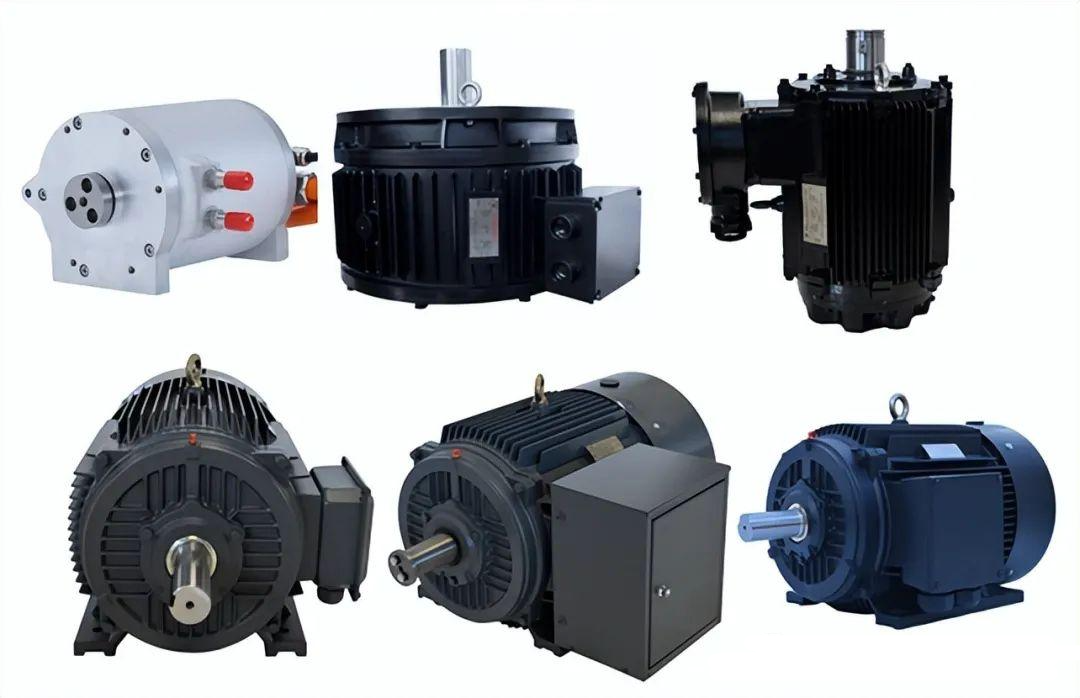
1、 Classification of motors
Divide DC motors according to the type of working power supply: use DC power supply as the working power supply. It has the characteristics of good speed regulation performance and high starting torque. Widely used in applications that require precise speed regulation and large starting torque, such as electric vehicles, cranes, etc. AC motor: powered by AC power supply. Simple structure, reliable operation, and low cost. It can be divided into synchronous motors and asynchronous motors. Asynchronous motors are widely used in industrial production, such as fans, water pumps, etc; Synchronous motors are mainly used in large generators and other applications.
According to the structure and working principle, synchronous motors are divided as follows: the rotor speed is the same as the speed of the stator rotating magnetic field. The power factor of synchronous motors can be adjusted, and they have high operational stability. They are commonly used in applications that require high speed stability, such as large generators and synchronous motors, which are also used in high-precision machine tools, compressors, and other equipment. Asynchronous motor: The speed of the rotor is lower than the speed of the rotating magnetic field of the stator. Asynchronous motors have the advantages of simple structure, durability, and low cost, and are one of the most widely used types of motors. It has a large number of applications in industrial production, household appliances and other fields.
Divided by purpose, drive motors are used to drive various mechanical equipment such as machine tools, fans, water pumps, cranes, etc. According to different equipment requirements, the driving motor needs to have different performance characteristics, such as high power, high torque, wide speed range, etc. Control motor: mainly used in automatic control systems as an executing element, detection element, or signal conversion element. Control motors have the characteristics of high precision, high reliability, and fast response, such as servo motors, stepper motors, etc.
2、 Working principle of motor
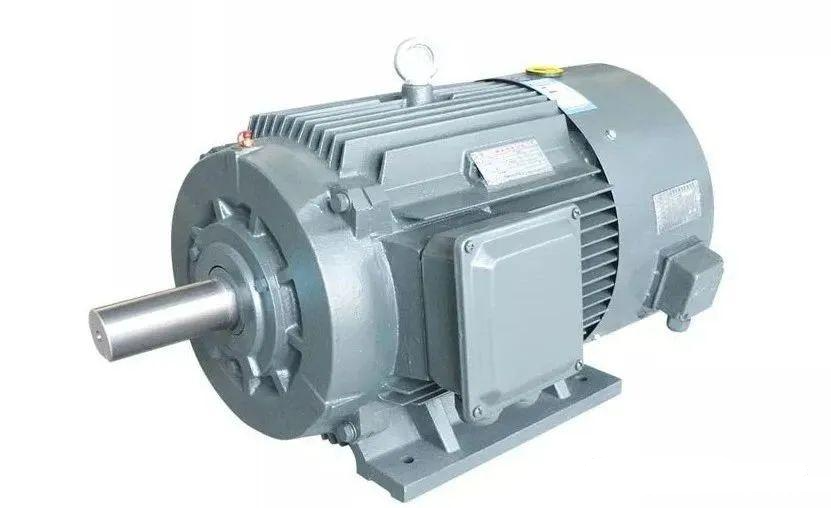
The working principle of a DC motor is mainly composed of a stator, rotor (armature), brushes, and commutator. There is an excitation winding on the stator, which generates a magnetic field by passing DC current. When a direct current is applied to the armature winding, electromagnetic torque is generated under the action of a magnetic field, causing the rotor to rotate. Due to the rotation of the armature winding, its conductor cuts the stator magnetic field, generating induced electromotive force. The direction of the induced electromotive force is opposite to the direction of the armature current, which is called the back electromotive force. By changing the magnitude of the excitation current or armature current, the speed and torque of the DC motor can be adjusted.
Working principle of AC motor: The stator winding of an asynchronous motor is supplied with three-phase AC current, generating a rotating magnetic field. The rotational speed of a rotating magnetic field is called synchronous speed, which is determined by the power frequency and the number of motor poles. The conductors in the rotor winding generate induced currents under the action of a rotating magnetic field. The interaction between induced current and rotating magnetic field generates electromagnetic torque, causing the rotor to rotate. Due to the rotor speed being lower than the synchronous speed, it is called an asynchronous motor. Working principle of synchronous motor: The stator winding of a synchronous motor is similar to that of an asynchronous motor, generating a rotating magnetic field by passing three-phase AC current. The rotor of a synchronous motor has a DC excitation winding or permanent magnet that generates a constant magnetic field. When the rotational speed of the stator rotating magnetic field is the same as that of the rotor magnetic field, the two remain relatively stationary, and the synchronous motor runs stably.
Related News