
Explosion proof Science | How to prevent moisture in EX explosion-proof motors
Release Time:
2024-10-11
Moisture resistance is crucial for explosion-proof motors in humid environments. By optimizing the waterproof design of the motor casing and properly handling damp motors, the adverse effects of humid environments on explosion-proof motors can be significantly reduced, ensuring their safe and stable operation.
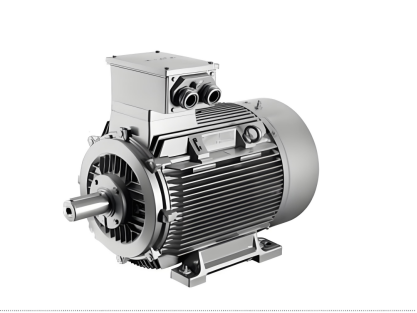
Moisture resistance is crucial for explosion-proof motors in humid environments. By optimizing the waterproof design of the motor casing and properly handling damp motors, the adverse effects of humid environments on explosion-proof motors can be significantly reduced, ensuring their safe and stable operation.
Source of Water
In humid environments, moisture is more likely to enter the interior of the motor compared to normal environments. In summary, the main sources of moisture are as follows:
(1) Outdoor motors are directly exposed to rain, and a small amount of water enters the interior of the motor through the gap between the explosion-proof surfaces;
(2) When the motor stops working in a humid environment, moisture enters the interior of the motor and condenses;
(3) Motors stored for a long time are prone to moisture and condensation due to moisture entering;
(4) Motors working in harsh environments may be subject to accidents such as flooding and immersion, causing moisture to enter;
(5) The residual moisture in the insulation capillary pores caused by incomplete drying after pre drying or immersion painting in accordance with the process requirements during the motor production process.
Waterproof measures for the casing of explosion-proof motors
The main object of waterproof protection for explosion-proof motors is the motor casing, and the waterproof performance of the motor depends on the protection provided on the casing. In order to reduce the presence of moisture inside the motor, the waterproofing process of the casing is generally solved through two aspects. Firstly, measures are taken to prevent the entry of moisture; Secondly, how to timely and effectively discharge water after it enters the body. Regarding these two aspects, we can provide effective protection on the casing as follows:
(1) Add a water blocking ring or rain cap at the extension of the motor shaft.
(2) Replace ordinary V-rings with shaft surface oil seals that have better dust and water resistance effects. (3) Motors with special installation methods, such as V1 motors, require a top cover to be installed on the fan hood. (4) Add a sealing ring at the explosion-proof surface of the stopper. (5) Apply sealant to the important joint surfaces of the motor and the fastening screw holes on the stator. (6) Add explosion-proof breathing and drainage valves on the stator.
Related News