
What is the relationship between the selection of reducer motor bearings and the load?
Release Time:
2024-10-07
In fact, different transmission methods of motors have different load requirements on bearings, such as pulley transmission, coupling transmission, and gear transmission on bearing loads. The coupling transmission method has a relatively small correlation between the load and torque of the bearing system. For motors driven by pulleys, the bearing system is affected by the tightness of the belt and the size of the pulley; And in gear transmission, the bearing system is directly affected by the magnitude of torque.
For motor bearings, both manufacturers and users know that cylindrical roller bearings are used at the shaft extension end of heavy-duty motors, while sliding bearings are used for particularly large and heavy-duty motors.
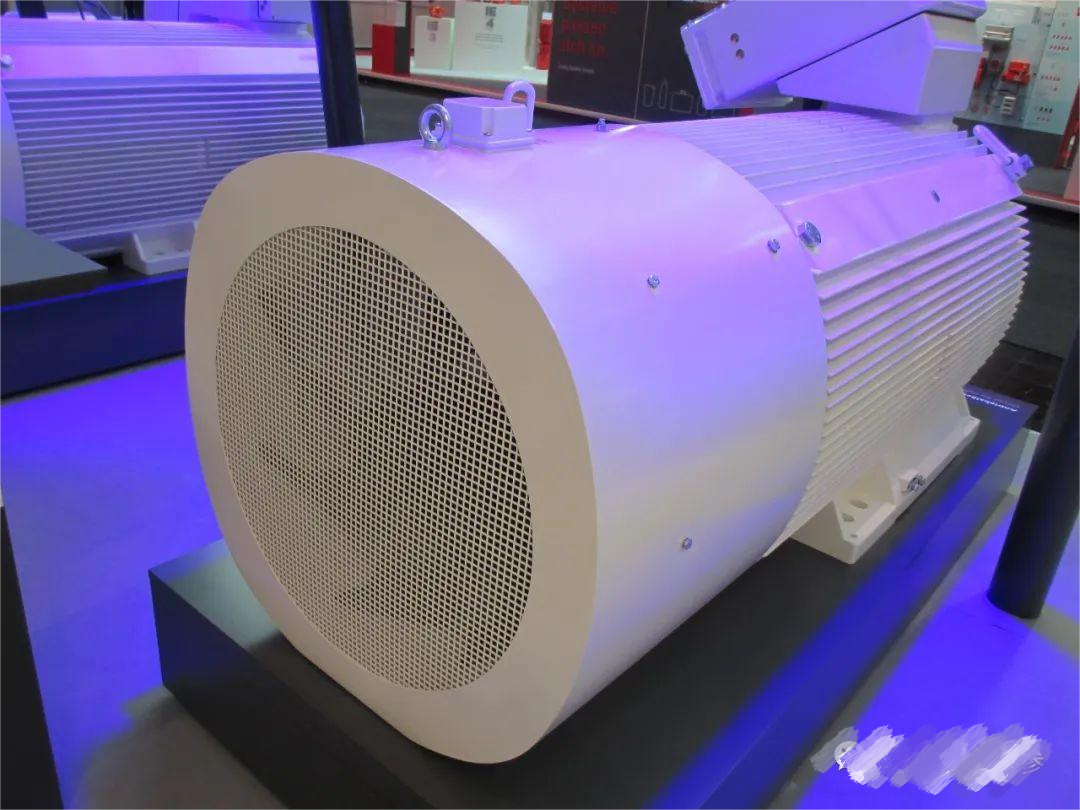
In the actual process of bearing selection and application, it will be found that some motors will have significant vibration under no-load conditions, but become very stable under load conditions. This is the analysis of the matching relationship between bearing selection and load size that we are discussing today.
When selecting rolling bearings for the shaft extension end of heavy-duty motors, a two bearing structure with cylindrical roller bearings as the shaft extension end and ordinary ball bearings as the non shaft end will be used. For situations with strict axial positioning, a three bearing structure will be used, where the shaft extension end adopts a double axis bearing structure with one ball and one column, and the non shaft extension end also uses ball bearings; For ordinary load motors, especially small-sized motors, a two bearing structure with ball bearings at both ends is more commonly used; This is the basic principle for selecting motor loads and bearing models.
In addition to the selection of motor bearing types, the specification selection of bearings is also particularly important, that is, the load that the bearings can bear should match the load of the motor, and the selection of increasing or decreasing specifications should be based on the actual working conditions of the motor. For relatively standardized bearing manufacturers, they have the ability to provide customers with bearing selection solutions and make necessary special process or size adjustments based on the actual matching conditions of the user's motor.
In fact, different transmission methods of motors have different load requirements on bearings, such as pulley transmission, coupling transmission, and gear transmission on bearing loads. The coupling transmission method has a relatively small correlation between the load and torque of the bearing system. For motors driven by pulleys, the bearing system is affected by the tightness of the belt and the size of the pulley; And in gear transmission, the bearing system is directly affected by the magnitude of torque.
Related News