
Full analysis of the working principle and application scenarios of speed regulating motors
Release Time:
2025-06-26
As a type of motor that can flexibly adjust its speed, speed regulating motors play an important role in modern industry, household appliances, and automation equipment. This article will provide a detailed analysis of the working principle, types, advantages, and application scenarios of speed regulating motors, helping you to have a comprehensive understanding of this key equipment.
Full analysis of the working principle and application scenarios of speed regulating motors
As a type of motor that can flexibly adjust its speed, speed regulating motors play an important role in modern industry, household appliances, and automation equipment. This article will provide a detailed analysis of the working principle, types, advantages, and application scenarios of speed regulating motors, helping you to have a comprehensive understanding of this key equipment.
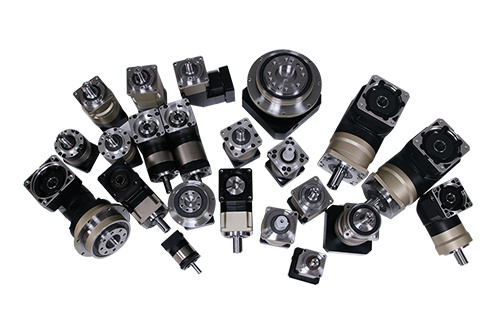
1、 Working principle of speed regulating motor
The core principle of a speed regulating motor is to adjust the speed by changing the input voltage, frequency, or current of the motor. Its working methods mainly include the following:
1. Voltage regulation
By adjusting the input voltage, the speed of the motor can be changed. When the voltage decreases, the motor speed decreases; When the voltage increases, the speed increases. This method is suitable for both DC motors and low-power AC motors.
2. Frequency regulation
Adjusting motor speed by changing the power frequency is common in AC motors (such as variable frequency motors). The frequency converter is the core equipment for frequency regulation, which can achieve precise speed control.
3. Current speed regulation
By adjusting the input current of the motor to control the speed, it is usually used for brushless motors or servo motors, and has the characteristics of high precision and high response.
4. Mechanical speed regulation
By using mechanical devices such as gearboxes, pulleys, etc., speed regulation can be achieved, which is suitable for some special scenarios.
2、 The main types of speed regulating motors
According to the different types of motors and control methods, speed regulating motors can be divided into the following categories:
1. DC speed regulating motor
By adjusting the DC voltage or current to achieve speed regulation, it has the characteristics of high starting torque and simple control, and is widely used in fields such as electric tools and toys.
2. AC speed regulating motor
Including asynchronous motors and synchronous motors, speed regulation is achieved through frequency converters, suitable for equipment such as fans, water pumps, compressors, etc.
3. Brushless DC speed regulating motor
Adopting electronic commutation technology, it has the characteristics of high efficiency, low noise, and long lifespan, and is commonly used in high-precision equipment such as drones and electric vehicles.
4. Servo speed regulating motor
Combined with servo drives, high-precision position, speed, and torque control can be achieved, which is widely used in industrial robots, CNC machine tools, and other fields.
3、 Advantages of speed regulating motors
1. Flexible speed regulation
Can adjust the speed according to actual needs to meet the requirements of different working conditions.
2. Energy saving and efficient
By adjusting the speed, the motor can avoid long-term high-speed operation, thereby reducing energy consumption.
3. Extend the lifespan of equipment
The speed regulation function can reduce the mechanical wear of the motor and extend the service life of the equipment.
4. Precise control
Suitable for scenarios that require high-precision control, such as automated production lines, precision instruments, etc.
4、 Application scenarios of speed regulating motors
Variable speed motors are widely used in the following fields due to their flexibility and efficiency:
1. Industrial automation
In the automatic production line, the speed regulating motor is used to control the running speed of conveyor belt, mechanical arm and other equipment.
2. Household appliances
Such as washing machines, fans, air conditioners, etc., achieve different working modes through speed regulation functions.
3. Electric vehicles
Adjustable speed motors are used in electric vehicles, electric forklifts, etc. to provide smooth power output.
4. Fan and water pump
By adjusting the motor speed, precise control of air and water flow can be achieved, achieving energy-saving effects.
5. Medical equipment
In medical instruments, adjustable speed motors are used to control the running speed and accuracy of equipment.
6. Logistics and Warehousing
Variable speed motors are widely used in conveying equipment, lifting platforms, etc. to improve logistics efficiency.
5、 How to choose a suitable speed regulating motor?
When choosing a speed regulating motor, the following factors should be considered:
1. Load type
Select the appropriate motor type based on the characteristics of the load, such as constant torque and constant power.
2. Speed regulation range
Determine the speed range of the motor based on actual needs to ensure compliance with operating conditions.
3. Control accuracy
For high-precision scenarios, choose servo motors or brushless motors.
4. Environmental conditions
Consider the protection level and temperature range of the motor to ensure its adaptability to the working environment.
6、 Summary
Variable speed motors have become indispensable equipment in modern industry and life due to their flexible control methods and high efficiency and energy saving features. Whether it is industrial automation, household appliances, or electric vehicles, speed regulating motors play an important role. By understanding its working principle, type, and application scenarios, you can better choose and use speed regulating motors to provide efficient and stable power support for your equipment.
Related News