
Maintenance and upkeep of the gearbox
Release Time:
2025-05-29
Oil level reducers generally use oil tooth lubrication. Before use, be sure to add oil to the designated position (as shown in the diagram) and replace it regularly.
Maintenance and upkeep of the gearbox
Maintenance precautions
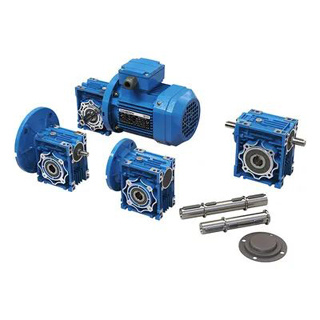
1. Oil level reducers generally use oil tooth lubrication. Before use, be sure to add oil to the designated position (as shown in the diagram) and replace it regularly.
2. Oil change cycle: After a running in period of 7-14 days (150-300 hours), the new gearbox needs to be replaced with new oil. New oil must be replaced twice after 3 months of use. In the future use process, and regularly check the oil quality, it is necessary to replace deteriorated oil products containing impurities, pollution, decomposition, or aging at any time. In general, gearboxes that work continuously for a long time should have their oil replaced every 6-8 months, while gearboxes that work for no more than 8 hours a day can have their oil replaced every 10-12 months.
3. When changing oil products, the new oil must have the same brand number as the original oil used, and different grades and types of oil should not be mixed. Before injecting new oil, heat the same type of oil used during operation and use it to clean the gears.
4. Gearboxes generally use oil pool lubrication and natural cooling. When the working balance temperature of the reducer exceeds 90 ℃ or the load power exceeds the thermal power PG1, circulating oil lubrication or oil lubrication with cooling pipes can be used. When the gearbox is stopped continuously for more than 24 hours before starting, the gears and bearings should be fully lubricated and normal before running with load.
5. The lubrication of rolling bearings in bearing lubrication reducers commonly uses two types of lubricants: lubricating oil and lubricating grease. When choosing lubricating oil, factors such as bearing load, speed, temperature, and working environment should be considered. The higher the load and temperature of the bearing, the higher the viscosity of the lubricating oil used. When the load on the bearing is low, the temperature is low, and the speed is high, lubricating oil with low viscosity can be used. Excessive or insufficient lubricating oil in bearings can cause overheating of the bearings. When the bearing speed is n=1500r/min, the oil level should be lower. Lubricating grease can be used when the circumferential speed of the bearing race is not greater than 4-5m/h. When using grease lubrication, the amount of grease filled in the bearing can occupy 1/3-1/2 of the bearing chamber space. The lubrication method for rolling bearings in the gearbox can directly use the lubricating oil in the gearbox oil pool. At this time, the lubricating oil in the gearbox oil pool must be introduced into the bearing.
maintenance
1. Transmission inspection: The gearbox should be regularly inspected and maintained. Effective measures must be taken to detect abrasions, adhesions, and significant wear. Spare parts must be manufactured according to standards, and updated spare parts must undergo running in and load testing before they can be officially used.
2. Oil quantity and temperature, regularly check the tightness and oil quantity of bolts. If the oil level of the reducer is lower than the lower scale line of the vernier caliper, the oil should be replenished in a timely manner. When lubricating with circulating oil, attention should be paid to changes in oil pressure. When the oil pressure drops significantly, the oil filter screen should be checked and cleaned.
3. Heat dissipation inspection. To make the reducer easy to dissipate heat, its outer surface should be kept clean and the ventilation holes should not be blocked. If the temperature of the box is too high, check whether the oil level is too high, whether the surrounding heat dissipation conditions are poor, and whether it is caused by aging oil quality, insufficient cooling water volume, or poor cooling effect due to scaling in the cooling coil.
4. Oil leakage inspection. If oil leakage is found on the high-speed shaft, check if the oil level is too high. If the shaft seal leaks oil due to aging or wear, appropriate butter can be injected through the grease nozzle on the cover. If the oil leakage is severe, the user should replace the oil seal in a timely manner.
Important note: After 8 hours of operation of the reducer, if there is a small area of oil infiltration near the seal, it is considered as no oil leakage. If the area of oil infiltration extends to the base, it is considered as oil leakage. If there is oil accumulation on the foundation, it is considered as oil leakage.
5. The rotating part of the safety protection reducer that leaks outside should be equipped with a protective cover, and it should be grounded when connected to the motor or other electrical equipment.
Important note: Do not remove the test cover during the operation of the gearbox to avoid personal injury caused by splashing of high-temperature gear oil.
6. Change the oil. During normal operation, metal particles inevitably enter the engine oil due to continuous surface movement. These pollutants will shorten the life of the bearings and lead to premature scrapping of the gear device, so frequent oil changes are necessary for maintenance.
7. Institutional management. Users should have reasonable usage and maintenance regulations, and carefully record the operation of the reducer and any problems found during inspection.
Related News