
How to properly handle the testing process and corresponding measures after the maintenance of the gearbox
Release Time:
2024-09-20
After maintenance and repair, it is particularly important to conduct a test drive and inspection of the gearbox. The reason is that the test drive inspection can ensure the performance and reliability of the equipment during actual operation. Through trial testing, the effectiveness of repairs and maintenance can be verified, ensuring that all components and systems return to normal working condition and avoiding potential faults and hazards. In addition, the test drive inspection can also help operators familiarize themselves with the operation of the equipment, timely discover and solve new problems, thereby ensuring that the equipment can operate stably in the future production process, improving production efficiency and safety. Therefore, conducting a test drive and inspection of the opposing grinding reducer after maintenance is a key step in ensuring equipment reliability and extending its service life.
After maintenance and repair, it is particularly important to conduct a test drive and inspection of the gearbox. The reason is that the test drive inspection can ensure the performance and reliability of the equipment during actual operation. Through trial testing, the effectiveness of repairs and maintenance can be verified, ensuring that all components and systems return to normal working condition and avoiding potential faults and hazards. In addition, the test drive inspection can also help operators familiarize themselves with the operation of the equipment, timely discover and solve new problems, thereby ensuring that the equipment can operate stably in the future production process, improving production efficiency and safety. Therefore, conducting a test drive and inspection of the opposing grinding reducer after maintenance is a key step in ensuring equipment reliability and extending its service life.
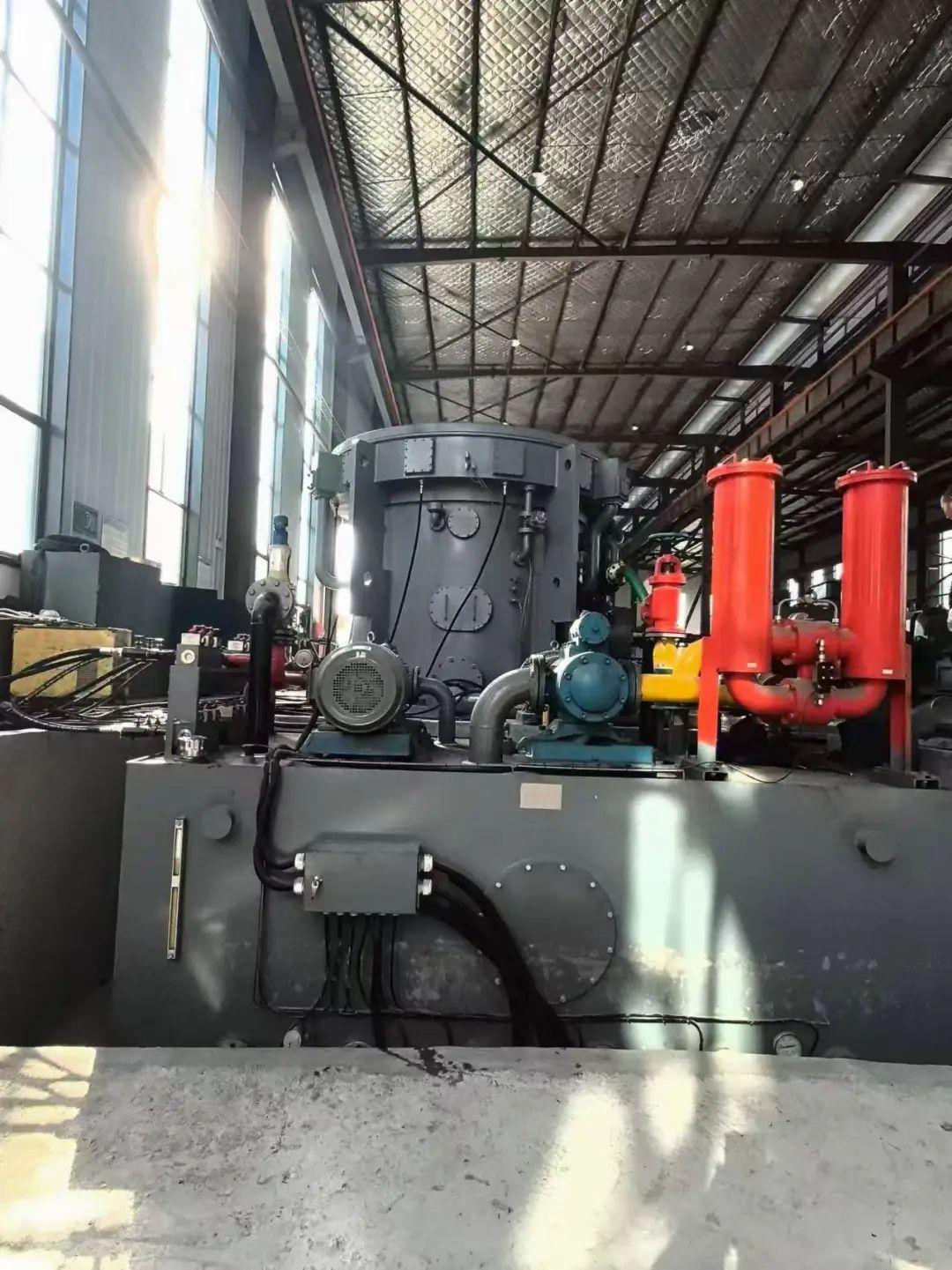
The purpose of post maintenance test drive inspection
1. Ensure the quality of maintenance and repair: Through testing and inspection, it can be verified whether the replaced parts during the maintenance and repair process are installed correctly, and whether the maintenance and repair measures are effective.
2. Check the operating status: Test drive can check various performance indicators of the gearbox during operation, such as temperature, vibration, noise, etc., to ensure that the gearbox operates within the normal working range.
3. Discovering potential issues: During the test drive process, problems that were not discovered during maintenance and repair may be exposed, such as assembly errors, missed fault points, etc. These issues can be discovered and resolved in a timely manner before formal operation to avoid greater losses.
4. Running in new components: Newly replaced components may require a period of running in to reach their optimal working condition. Test runs and inspections can promote the running in of new components and improve their service life.
5. Verify safety performance: Test drive testing can ensure the safety performance of the gearbox, such as whether the emergency stop function, overload protection, etc. are working properly, ensuring that the equipment can be safely stopped in emergency situations.
6. Optimization and adjustment: Ensure that the gearbox can operate stably and reliably after maintenance, avoid production interruptions caused by equipment failures, and ensure production continuity and efficiency.
Test drive requires conditions to be met
1. Test platform: a stable test platform used for installing vertical mill reducers to ensure stable operation during the test process; The platform should have sufficient load-bearing capacity to withstand the weight of the vertical mill reducer and the dynamic load during operation.
2. Power equipment: The drive motor is used to provide power for the vertical mill reducer; Auxiliary transmission equipment: such as couplings, pulleys, etc., used to connect the drive motor and the vertical mill reducer.
3. Testing equipment: Torque efficiency testing machine: used to measure the torque and efficiency of the vertical mill reducer; Gear profile inspection equipment: such as CNC computer gear profile inspection equipment, used to detect the machining accuracy of gears; Three dimensional measuring bed: used for precise measurement of the size and shape of various components of the gearbox; Gearbox spectrum detector (commonly known as black box), etc.
4. Lubrication system: The lubrication oil station provides lubricating oil for the main motor and reducer to ensure lubrication during operation; The lubrication device is used to lubricate the various moving parts of the gearbox.
5. Control system: The control cabinet is used to control the start, stop, and running speed of the vertical mill reducer; Sensors and instruments: used to monitor the operating status of the gearbox, such as temperature, vibration, pressure, etc.
6. Safety protection equipment: Protective covers are used to protect operators and equipment from accidental injuries; The safety limit switch is used to emergency stop the equipment in case of abnormal conditions.
7. Tools and spare parts: Special tools are used for installing, debugging, and maintaining vertical mill reducers; Spare parts, such as bearings, gears, seals, etc., are available for emergency use.
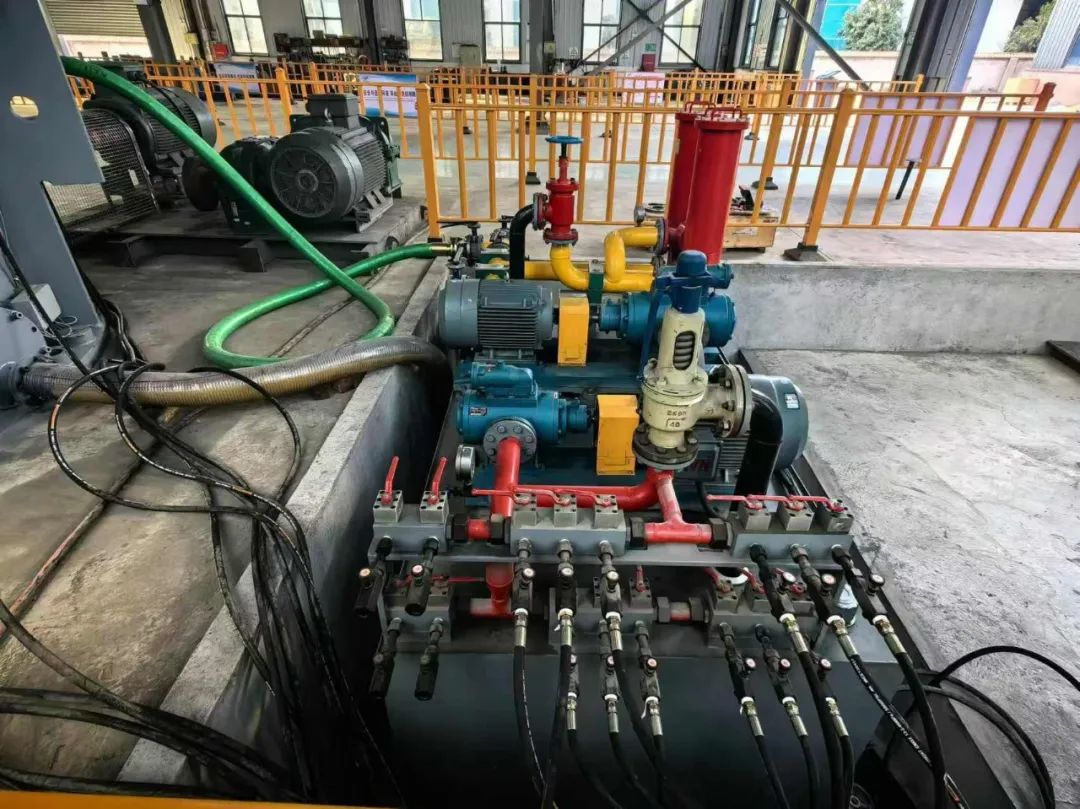
Guidelines, Technical Points, and Troubleshooting Strategies for Post Maintenance Test Drive
1、Test Guide:
1. Safety confirmation: Ensure that all maintenance work has been completed, the site is cleaned up, and all safety protection devices are reset and effective.
2. Preparation for inspection: Verify that all connecting components are securely fastened without any looseness, and that the oil level and quality meet the specified standards.
3. Pre operation inspection: Before starting, conduct a preliminary inspection of the electrical system, control system, and cooling system to ensure that there are no abnormalities.
4. Startup sequence: Follow the prescribed startup procedure, run without load first, and then gradually load to the rated operating conditions.
2、 Technical points:
1. Operation monitoring: During the test drive, closely monitor the operating status of the gearbox, including temperature, vibration, noise, and other indicators.
2. Load control: During the initial test run, full load operation should be avoided and the load should be gradually increased to observe the adaptability and stability of the gearbox.
3. Oil management: Regularly check the quality of the oil to ensure that it is clean and free of impurities, and replace or replenish it as needed.
4. Lubrication inspection: Ensure that all lubrication points are adequately lubricated, check if the lubrication system is functioning properly, and prevent dry friction and overheating.
3、 Troubleshooting strategy
1. Noise issue: If there is abnormal noise during the test drive, the gear meshing should be checked first to confirm whether there is wear or damage, and replacement should be carried out if necessary.
2. Excessive vibration: Excessive vibration may be caused by improper installation, damaged bearings, or unbalanced transmission components. It should be investigated one by one and corresponding adjustment or replacement measures should be taken.
3. Oil leakage phenomenon: Once oil leakage is detected, the leakage point should be immediately identified, damaged seals should be replaced or the sealing structure adjusted to ensure the sealing effect.
4. Overheating problem: Overheating of the gearbox may be caused by poor lubrication, poor heat dissipation, or excessive load. The lubricating oil level, cooling system, and load situation should be checked, and corresponding measures should be taken to solve them.
5. Electrical malfunction: If an electrical malfunction occurs during the test drive, such as the motor not turning or control failure, the power supply circuit, motor, and control system should be checked first to ensure they are functioning properly. If necessary, professional personnel should be hired to handle it.
By implementing the above test guide, technical points, and troubleshooting strategies, it can be ensured that the vertical mill reducer can operate safely and stably after maintenance, improving production efficiency and equipment lifespan.
Related News