
Guide you to understand the wiring details of explosion-proof motors
Release Time:
2025-04-02
Explosion proof motor is a type of motor that can be used in flammable and explosive places without generating electrical sparks during operation. Explosion proof motors are mainly used in coal mines, oil and gas, petrochemicals, and chemical industries. In addition, it is widely used in sectors such as textiles, metallurgy, urban gas, transportation, grain and oil processing, papermaking, and medicine. Explosion proof motors, as the main power equipment, are usually used to drive pumps, fans, compressors, and other transmission machinery.
Guide you to understand the wiring details of explosion-proof motors
Explosion proof motor is a type of motor that can be used in flammable and explosive places without generating electrical sparks during operation. Explosion proof motors are mainly used in coal mines, oil and gas, petrochemicals, and chemical industries. In addition, it is widely used in sectors such as textiles, metallurgy, urban gas, transportation, grain and oil processing, papermaking, and medicine. Explosion proof motors, as the main power equipment, are usually used to drive pumps, fans, compressors, and other transmission machinery.
How to wire explosion-proof motors
Explosion proof motor wiring should be carried out in a dedicated junction box, which must also be equipped with rubber sealing rings, JBQ type motor lead wires, and other specialized explosion-proof motor accessories for connection.
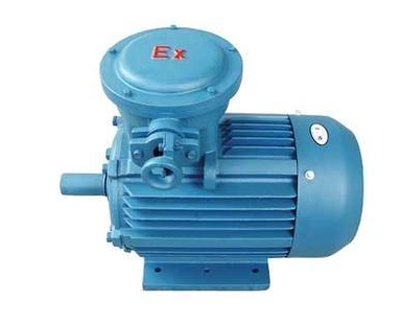
Precautions for wiring explosion-proof motors:
1. After the junction box is installed, check the electrical clearance and creepage distance: the small electrical clearance of 380/660V is 10mm, and the creepage distance is 18mm. The small electrical clearance of 1140V is 18mm, and the creepage distance is 30mm.
2. The inlet of the junction box is sealed by compressing the rubber ring, and the weakness of this structure is the aging and elastic failure of the rubber ring, which leads to inconsistent fit between the cable and the rubber ring.
3. For junction boxes with dual outlet ports, unused outlet ports should be plugged with metal sealing plates with a thickness of not less than 2mm. The outer diameter of the metal sealing plates should be similar to the inner diameter of the outlet holes of the inlet and outlet devices to ensure that the pressure plate or compression nut evenly presses the sealing ring tightly, achieving reliable sealing.
One of the main causes of various faults in explosion-proof motors is insulation moisture. For example, in the Lviv Volynsk coal mine, 45.7% of the faults occurred due to the decrease in insulation resistance of the stator winding caused by moisture and water droplets in the motor cavity of the electric motor used for the scraper conveyor belt with a daily output of over 1000 tons.
So, in many cases, enclosed electrical equipment is not sufficient to protect it from adverse weather factors. Therefore, there should be some specialized devices inside the electrical equipment casing to ensure improved weather conditions. It must include an air humidity control device, which is used to reduce the relative humidity and humidity of the air inside the casing. Occasionally falling moisture is removed from the casing and prevented from being sucked in through bearings and sealing rings
(1) Attention should be paid to selecting the type of explosion-proof motor according to the usage environment.
(2) Strictly set short-circuit, overload, overheating, and phase loss protection according to requirements, and regularly inspect these protection devices to ensure their effectiveness.
(3) Non professionals are strictly prohibited from dismantling or repairing any part of the motor.
(4) The procedure for connecting the power cord should be as follows: After removing the junction box cover, unscrew the terminal block, take out the rubber gasket from the wire socket inlet, and fit these two parts onto the cable.
Attention should be paid to:
The inner hole of the rubber gasket must be the same as the outer diameter of the cable, and there must be no large gap. Otherwise, when pressing the wire bucket, the rubber gasket cannot form a seal with the cable. This will cause an explosion outside the motor when the junction box explodes, thereby losing its explosion-proof effect.
Introduce the cable into the junction box from the inlet, and wrap the three core wires around their respective terminal posts (for mining motors, the grounding core wire also needs to be wrapped around the grounding screw). Each core wire must be round and pressed into two bow shaped washers, and then tighten the terminal post nuts.
After the cable is properly connected, install the rubber gasket. Install the terminal block and tighten the screws so that the end face of the terminal block presses the rubber ring tightly, fully clamping the cable.
(5) If disassembly and assembly are required, special attention should be paid to protecting the explosion-proof surface and winding from collision damage. If multiple units are disassembled at the same time, the disassembled parts should be stored separately and not mixed together. If the disassembled parts are to be left idle for a period of time, necessary rust prevention treatment should be carried out on the explosion-proof surface.
Related News