
Low carbon and energy-saving - industrial motor innovation is underway
Release Time:
2024-09-18
In June 2022, six departments including the Ministry of Industry and Information Technology and the National Development and Reform Commission jointly released the "Action Plan for Industrial Energy Efficiency Improvement", proposing that by 2025, the energy consumption of industrial units above designated size should decrease by 13.5% compared to 2020; And combined with the actual development of the industry, the action plan also proposes a series of specific goals, including by 2025, the proportion of newly added high-efficiency and energy-saving motors will reach more than 70% - the technological innovation of industrial motors that are more low-carbon and energy-saving is underway.
In June 2022, six departments including the Ministry of Industry and Information Technology and the National Development and Reform Commission jointly released the "Action Plan for Industrial Energy Efficiency Improvement", proposing that by 2025, the energy consumption of industrial units above designated size should decrease by 13.5% compared to 2020; And combined with the actual development of the industry, the action plan also proposes a series of specific goals, including by 2025, the proportion of newly added high-efficiency and energy-saving motors will reach more than 70% - the technological innovation of industrial motors that are more low-carbon and energy-saving is underway.
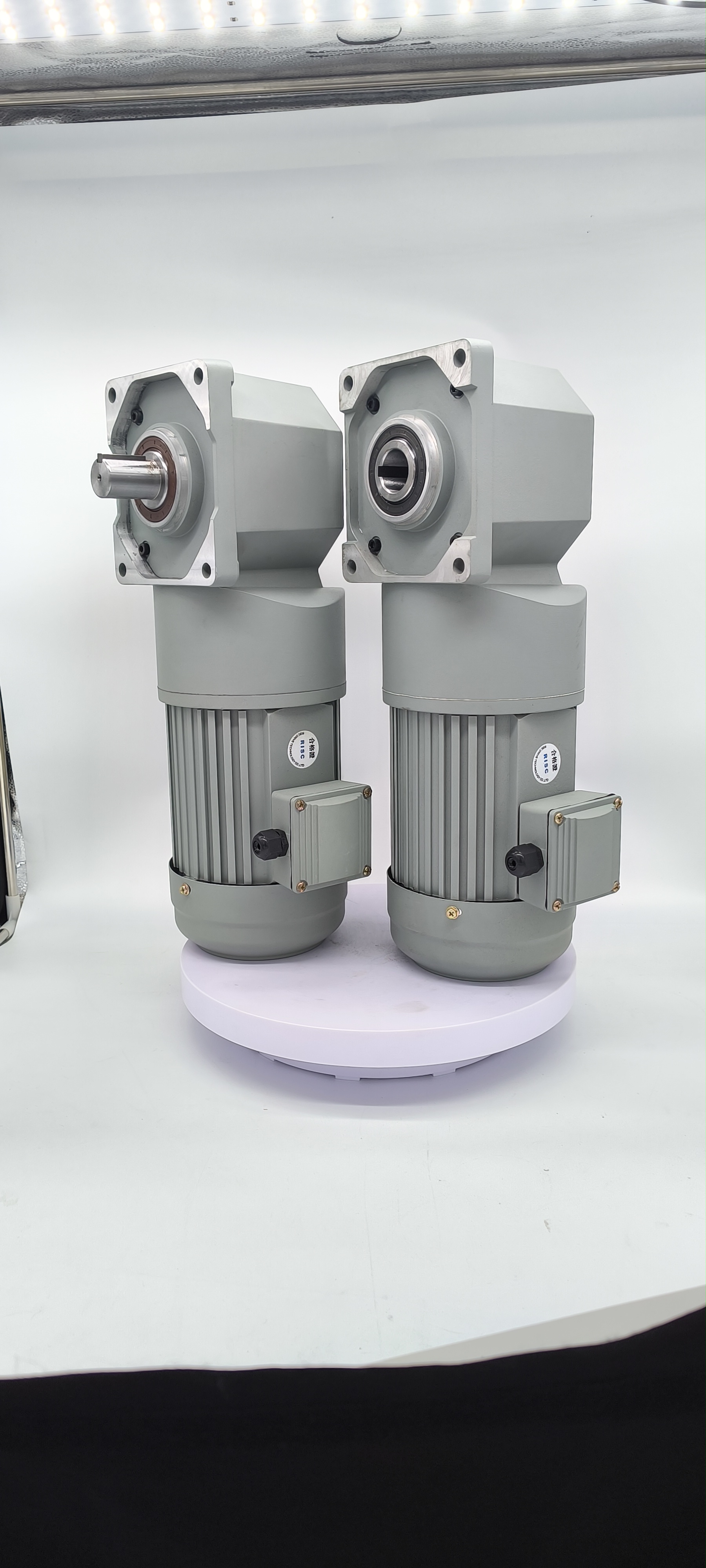
Motor manufacturing can be said to be an ancient industry. From the emergence of DC motors in the mid-19th century to the invention of AC motors in the late 19th century, with continuous technological changes and a long development process, more efficient and intelligent industrial motors are playing an important role in more and more fields, promoting the progress and prosperity of human society. Entering the 21st century, especially in the current turbulent and changing global trend, sustainable development, green, and security have become the main themes of economic development in countries around the world. Realizing the "dual carbon" development goal is a solemn commitment of the Chinese government to the international community. Among them, industrial motors are the "big spenders" of energy consumption and also the special supervision object for energy efficiency improvement of national key energy consuming equipment. In June 2021, the new mandatory national standard GB18613-2020 "Minimum Allowable Values and Energy Efficiency Grades for Electric Motors" (new national standard) was officially implemented, and the international standard IE5 efficiency was listed as the highest level of energy efficiency grade index for three-phase asynchronous motors in China;
In June 2022, six departments including the Ministry of Industry and Information Technology and the National Development and Reform Commission jointly released the "Action Plan for Industrial Energy Efficiency Improvement", proposing that by 2025, the energy consumption of industrial units above designated size should decrease by 13.5% compared to 2020; And combined with the actual development of the industry, the action plan also proposes a series of specific goals, including by 2025, the proportion of newly added high-efficiency and energy-saving motors will reach more than 70% - the technological innovation of industrial motors that are more low-carbon and energy-saving is underway. At the same time, the national "Rare Earth Management Regulations" that will come into effect on October 1, 2024, clearly highlight the important position of rare earth resources in national strategy, and to a certain extent affect the research and application of new technologies, processes, products, materials, and equipment in industrial motors. This is also the purpose of our special compilation in this issue of a group of industrial control manufacturers' development achievements in recent years.
Related News