
The principle, structure, maintenance and overhaul of the reducer
Release Time:
2025-03-17
A reducer is a power transmission mechanism that uses a gear speed converter to reduce the number of rotations of a motor to the desired number and obtain a larger torque.
The principle, structure, maintenance and overhaul of the reducer
A reducer is a power transmission mechanism that uses a gear speed converter to reduce the number of rotations of a motor to the desired number and obtain a larger torque.
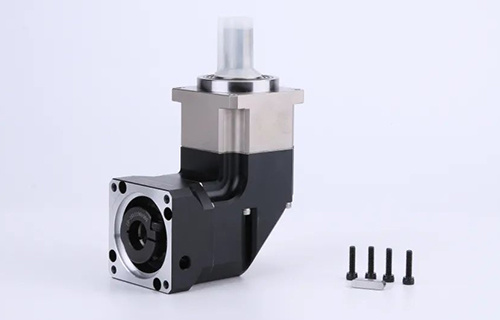
In short, after the power of a general machine is designed and manufactured, its rated power does not change. At this time, the higher the speed, the smaller the torque (or torque); The smaller the speed, the greater the torque. Sometimes, in order to obtain a large torque, we need to use a reducer to reduce the rotational speed of the "prime mover" such as the engine, in order to obtain a large torque.
Planetary reducer
Advantages: The structure is relatively compact, with a small return clearance (for gear reducers, it is composed of a series of gears. When the driving wheel rotates forward, the gear meshes with one of the teeth of the second gear. When it rotates in reverse, the gear has a certain stroke from meshing with the front teeth to meshing with the rear teeth, which is called the return clearance, such as the steering wheel of old cars). The precision is also relatively high, and its service life is relatively long. At the same time, it also has the characteristic of large output torque.
Disadvantages: Its excellent performance determines its manufacturing complexity, complex structure, and high price.
Daily inspection and maintenance of gearbox
1. The gearbox housing is a common type of gearbox housing, and changing the casting structure to a welded structure is the trend in the design of the housing structure. Adopting a welded structure can reduce the manufacturing cost of the gearbox and make the structure compact. In addition, for heavy-duty gearboxes, attention should be paid to the inspection of their welds.
2. Check for noise and abnormal sounds during the operation of the gearbox,
3. The temperature rise of bearings can be checked by hand feel or by using a simple temperature measuring pen. Generally, the temperature rise of lubricating oil should not exceed 35 degrees, and the temperature rise of bearings should not exceed 40 degrees. If it is abnormal, the machine should be stopped for maintenance.
It is required to measure at the bearing seat area, which can be measured through simple vibration measurement. Generally, vibration measurement is used
4. Bearing vibration inspection, dynamic speed: measured in three directions: axial, vertical, and horizontal. Some important reducers have temperature and vibration online detection devices, which record the values of each inspection and compare data, including historical data and data from similar units. Any fluctuations or abnormalities are promptly reported.
5. The inspection of lubricating oil level generally includes oil dipstick, transparent window oil dipstick, etc. The scratches on the dipstick indicate the range of lubricating oil that should be added. When checking the oil level, the external dust and oil stains should be cleaned to prevent contamination of the lubricating oil. The transparent window oil gauge also marks the oil level range, which can be checked in static and operating states. Note that the transparent window oil gauge is prone to blurring and needs to be cleaned or replaced in a timely manner.
Maintenance of gearbox
The preliminary preparation work proposes equipment overhaul and maintenance applications based on the condition of the operating equipment, which are reviewed and approved by the company's leadership; Organize maintenance personnel to inspect the equipment status on site, inquire about the current problems of the equipment from the operator, and record them in detail;
Gradually analyze the problems with the equipment and estimate the maintenance items, and preliminarily determine the overhaul plan
Report the preliminary plan to the department leader and negotiate to determine the final plan:
Prepare relevant drawings and materials, as well as purchase expected replacement spare parts, and follow up with the delivery schedule. Notify the production department and negotiate to determine the downtime;
Internal division of labor within the maintenance and upkeep team, refinement of maintenance items, and clarification of responsible persons.
Related News