
Worm gear reducer: principles, correct operation, and blood lessons!
Release Time:
2025-03-10
In the field of industrial transmission, worm gear reducers have become the core power components of elevators, cranes, and automated production lines due to their large transmission ratio, compact structure, and self-locking characteristics. However, the characteristics of low transmission efficiency, easy heating, and fast wear of worm gears also make it a "high-risk object" in equipment maintenance.
Worm gear reducer: principles, correct operation, and blood lessons!
In the field of industrial transmission, worm gear reducers have become the core power components of elevators, cranes, and automated production lines due to their large transmission ratio, compact structure, and self-locking characteristics. However, the characteristics of low transmission efficiency, easy heating, and fast wear of worm gears also make it a "high-risk object" in equipment maintenance.
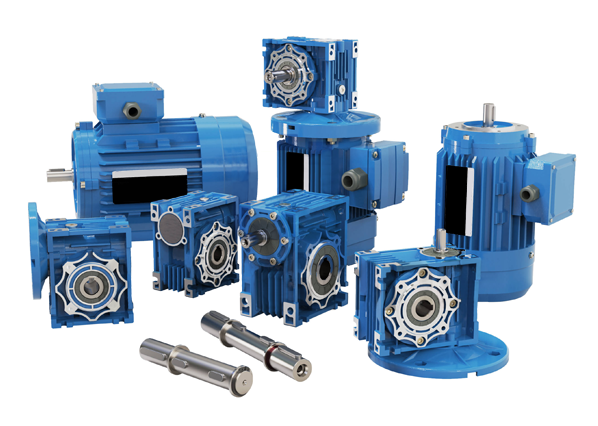
Recently, a steel rolling mill experienced a 280 minute production line shutdown due to a gearbox malfunction, resulting in direct losses exceeding one million! This article combines accident cases to deeply analyze principles and correct operations, helping you avoid minefields!
1、 Working principle and structural analysis of worm gear reducer
The core of a worm gear reducer is the "worm driven worm wheel", which uses staggered shaft transmission to achieve power transmission. Its core components include:
-Worm (input shaft): a spiral structure that pushes the worm wheel when rotating at high speed;
-Worm gear (output shaft): meshes with the worm gear to reduce power output;
-Box: Sealed support, filled with lubricating oil inside;
-Bearings and seals: Ensure smooth operation and prevent oil leakage.
Transmission advantages: The contact area between the worm and worm gear is large, the transmission ratio can reach 100:1 or more, and the reverse self-locking characteristic can prevent load reversal, with high safety.
Fatal weakness: High proportion of sliding friction, if lubrication is insufficient, instant dry friction can cause tooth surface burning!
2、 6 Iron Laws for Correct Operation and Daily Maintenance
1. Lubrication management: Oil film is the lifeline!
-Use VG320 industrial gear oil, with the oil level covering the worm gear tooth surface;
-High temperature environment (>80 ℃) must be equipped with
Cooling system (such as sprinkler system) to prevent oil oxidation;
-Oil replenishment standard: When the oil level is lower than the worm gear tooth surface, immediately stop the machine and replenish oil until the worm gear is completely submerged.
2. Seal inspection: once every 4 days, zero tolerance for oil leakage!
-O-ring and oil seal aging can cause oil leakage, directly leading to lubrication failure;
-When replacing seals, fluororubber material should be used to improve high temperature resistance by 50%.
3. Temperature monitoring: Install an infrared thermometer
-When the surface temperature of the box exceeds 90 ℃, the load or cooling system should be checked immediately;
-Long term high-temperature operation will accelerate the embrittlement of oil seals and shorten their lifespan to 30% of their original value.
4. Inspection system: Night maintenance ≠ No supervision!
-When changing production and shutting down, a special person must be designated to check the oil level, seal, and abnormal noise;
-Use a 'double person confirmation system' to avoid omissions during night work.
5. Load matching: Overloading operation is strictly prohibited!
-The efficiency of the worm gear reducer is only 60% -70%, and overloading by 10% can double the temperature rise;
-Regularly check the alignment of the coupling to reduce tooth wear caused by vibration.
6. Wear and tear warning: Listen to the sound and check the oil color!
-If there is a "clunking" abnormal noise during operation, it may be due to tooth surface peeling off;
-If the lubricating oil turns black or contains metal shavings, it needs to be replaced immediately and disassembled for inspection of the worm gear.
3、 Blood and Tears Case: Lessons Learned from 280 Minute Shutdown in a Steel Rolling Mill
Accident review: A steel plant's cold bed reducer got stuck due to wear and tear on the worm gear teeth, causing the production line to be paralyzed for nearly 5 hours!
Direct cause:
1. Lubrication failure: The oil seal is aging and leaking oil, the oil level drops below the worm gear, and the worm gear is burned out due to dry friction;
2. Management vulnerability: Failure to conduct inspections during nighttime maintenance, missing the best opportunity for remediation.
Rectification measures (can be directly copied):
-Install a cooling spray system to reduce the ambient temperature to below 60 ℃;
-Stop production for at least 1 hour, and enforce the "three checks" of oil level (check oil quantity, color, and leakage);
-Seals have a "4-day lifespan system" and can be replaced upon expiration, regardless of day or night.
---
4、 Summary: Saving money means spending big money!
The maintenance cost of worm gear reducer accounts for only 1% of the failure loss, but one negligence can make the enterprise pay a hundred times the price!
remember well:
Lubrication is the lifeline, sealing is the defense line, and inspection is the insurance. Only by integrating operational standards into daily life can equipment operate stably and last for a long time!
Related News