
What does the number of poles in a motor mean? What is the difference between 2-pole, 4-pole, 6-pole, and 8-pole?
Release Time:
2024-09-13
In summary, the number of poles of a motor determines its output power, rated speed, maximum speed, torque fluctuation, noise, and vibration characteristics. Motors with different numbers of poles are suitable for different application scenarios. Choosing the appropriate number of poles can improve the performance, efficiency, and service life of the motor. The above provides a detailed introduction to the meaning of motor pole numbers and the differences between different pole numbers, hoping to be helpful to you.
The number of poles in a motor refers to the number of magnetic poles or windings in the motor.
Common motor pole numbers include 2-pole, 4-pole, 6-pole, 8-pole, etc. Different pole numbers have a significant impact on the performance and application of the motor.
The following will provide a detailed explanation of the meaning of motor pole numbers and the differences between different pole numbers.

The significance of the number of poles in motor 01
The number of poles in a motor determines its structure and working principle, and has a direct impact on its performance parameters such as speed, torque, and efficiency. Specifically, the number of poles in a motor can affect its output power, rated speed, and maximum speed.
1. Output power: Under certain volume and weight limitations, the output power of the motor can be adjusted by changing the number of poles of the motor. The output power of a motor is related to the magnetic field strength of the motor. The more poles there are, the lower the magnetic field strength, and the corresponding output power decreases; The fewer the number of poles, the higher the magnetic field strength, and the corresponding increase in output power.
2. Rated speed: The rated speed of a motor refers to its maximum speed at rated voltage and rated load. The more poles there are, the slower the change in magnetic field, and the rated speed of the motor is relatively low; The fewer the number of poles, the faster the change in magnetic field, and the rated speed of the motor is relatively high.
3. Maximum speed: The maximum speed of a motor refers to the speed it can reach at maximum voltage and no load. For the same type of motor, the more poles there are, the slower the change in magnetic field, and the maximum speed of the motor is relatively low; The fewer poles there are, the faster the magnetic field changes, and the maximum speed of the motor is relatively high.
The difference between 022 pole, 4-pole, 6-pole, and 8-pole motors
Below, we will provide a detailed introduction to the characteristics and applications of 2-pole, 4-pole, 6-pole, and 8-pole motors.
1. 2-pole motor:
A 2-pole motor is the simplest motor structure, with only one positive pole and one negative pole. Two pole motors have high speed and power density due to their fast magnetic field changes, making them suitable for applications that require high-speed operation, such as fans, printers, electric fans, etc.
2. 4-pole motor:
A 4-pole motor consists of two positive poles and two negative poles, and the magnetic field changes relatively slowly. A 4-pole motor has a medium speed and power density, suitable for some mechanical equipment, air conditioning compressors, washing machines, etc.
3. 6-pole motor:
A 6-pole motor consists of three positive and three negative poles, and the magnetic field changes slowly. 6-pole motors have lower rotational speed and higher torque, making them suitable for applications that require higher torque but lower rotational speed, such as electric vehicles, power tools, etc.
4. 8-pole motor:
An 8-pole motor consists of four positive and four negative poles, and the magnetic field changes slowly. An 8-pole motor has lower speed and greater torque, making it suitable for applications that require high torque but lower speed, such as elevators, rail transit, etc.

In addition to differences in speed and power density, motors with different numbers of poles can also have different effects on torque fluctuations, noise, vibration, and other aspects. The more poles there are, the smaller the torque fluctuation of the motor, and the vibration and noise are relatively small.
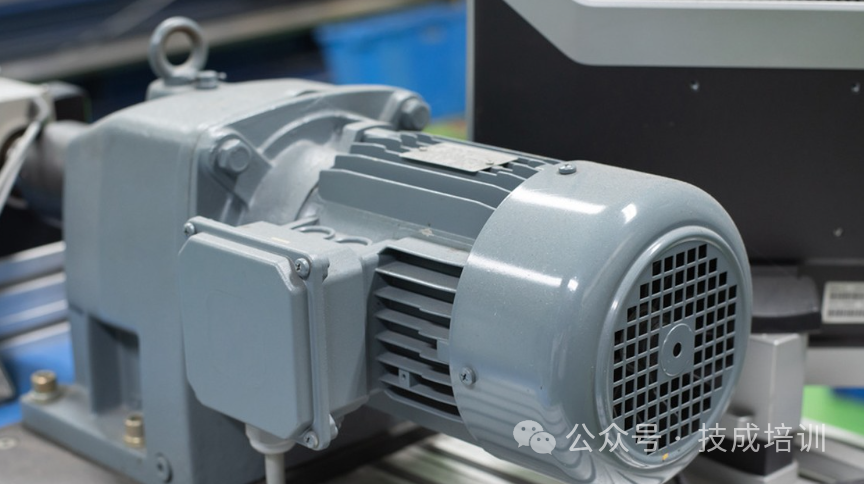
In summary, the number of poles of a motor determines its output power, rated speed, maximum speed, torque fluctuation, noise, and vibration characteristics.
Motors with different numbers of poles are suitable for different application scenarios. Choosing the appropriate number of poles can improve the performance, efficiency, and service life of the motor.
The above provides a detailed introduction to the meaning of motor pole numbers and the differences between different pole numbers, hoping to be helpful to you.
Related News