
How to choose a suitable deceleration motor?
Release Time:
2025-01-05
To ensure that the deceleration motor is suitable for overdue demand, it is necessary to know the output speed, starting and running torque of the motor. Choosing the appropriate deceleration motor is a matter of matching the output speed and torque with the application requirements. The output speed is determined by the requirements of the machine, which should be known so that the starting and operating torque can be determined. After calculating the starting and running torque, use the manufacturer's torque, speed, and efficiency performance curves to find the motor that meets the requirements. Then review potential design limitations, including operating (full load) gearbox torque, input speed, gearbox strength, thermal characteristics, and duty cycle.
1、 Understand your own application requirements.
The first step in selecting a deceleration motor is to check the application requirements, which include but are not limited to the following.
General requirements: installation type and size, cantilever and lateral load, and lubrication type.
Input power supply: voltage, frequency (Hz), maximum current (ampere), and control type.
Specifications of the deceleration motor: size, weight, required noise level, expected lifespan, and maintenance level.
Gearmotor performance: speed, torque, duty cycle, horsepower, starting and running torque (full load).
Operating environment: application and environmental temperature, as well as inlet protection level.
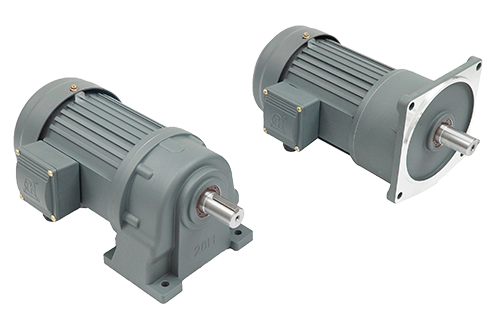
2、 Choose the appropriate motor.
According to the application requirements list, compare different types of motor specifications, such as universal, brushless DC, AC induction, or permanent magnet reduction motors. Due to the unique performance and requirements of each application, we choose the appropriate motor based on our own needs.
3、 Understand the speed and torque requirements of the load to be driven.
To ensure that the deceleration motor is suitable for overdue demand, it is necessary to know the output speed, starting and running torque of the motor. Choosing the appropriate deceleration motor is a matter of matching the output speed and torque with the application requirements. The output speed is determined by the requirements of the machine, which should be known so that the starting and operating torque can be determined. After calculating the starting and running torque, use the manufacturer's torque, speed, and efficiency performance curves to find the motor that meets the requirements. Then review potential design limitations, including operating (full load) gearbox torque, input speed, gearbox strength, thermal characteristics, and duty cycle.
Related News