
Understanding and Application of Reduction Ratio
Release Time:
2024-12-07
Speed ratio, as an important concept in mechanical engineering, plays a crucial role in various fields such as automobiles, motorcycles, and industrial equipment. This article will start from the definition of speed ratio, explore its related steps and common problem answers in detail, and finally summarize the importance of speed ratio.
Speed ratio, as an important concept in mechanical engineering, plays a crucial role in various fields such as automobiles, motorcycles, and industrial equipment. This article will start from the definition of speed ratio, explore its related steps and common problem answers in detail, and finally summarize the importance of speed ratio.
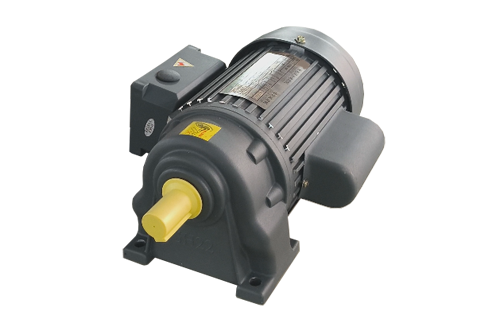
Reduction ratio refers to the ratio of the number of revolutions between two gears, which is equal to the actual number of revolutions of the two gears divided by their theoretical number of revolutions. If the actual number of revolutions of a pair of gears is 1500 and 3000 respectively, then their reduction ratio is 5.
How to calculate the reduction ratio
1. Determine the actual number of revolutions of the gear:
-Use a counter or sensor to measure the actual number of revolutions of each gear.
-If an automatic transmission is used, it may be necessary to obtain the actual number of revolutions through the vehicle control system.
2. Determine the theoretical rotational speed of the gear:
-Theoretical revolutions are usually data provided by gear manufacturers, indicating the maximum number of revolutions that a gear can achieve under ideal operating conditions.
3. Calculate the reduction ratio:
-Divide the actual number of revolutions by the theoretical number of revolutions to obtain the reduction ratio.
frequently asked questions
Why choose a specific reduction ratio?
Maximizing efficiency: Choosing a higher reduction ratio can improve the efficiency of the transmission system and reduce energy loss.
Torque variation: Different reduction ratios can change the output torque to meet different power requirements.
Weight control: Choosing an appropriate reduction ratio can help control the weight of the entire system.
How to install the gearbox correctly?
Ensure smooth operation: Choose the appropriate lubricating oil and replace it regularly.
Avoid overload: Do not overload the gearbox to avoid damaging the parts.
Check lubrication condition: Regularly check the lubrication condition inside the reducer and replenish it in a timely manner.
How to maintain the gearbox?
Regular cleaning: Keep the inside of the gearbox clean to prevent dust and dirt from affecting performance.
Check oil level and pressure: Regularly check the level and pressure of lubricating oil to ensure normal working condition.
Adjust fasteners: Regularly check and adjust the fasteners of the gearbox to ensure stable operation.
Reduction ratio is a core concept in mechanical engineering, widely used in various mechanical equipment. Through scientific methods and reasonable design, reduction ratio can be effectively utilized to improve system efficiency, change torque, and reduce load. Whether it is a bicycle used in daily life or a complex industrial equipment, reduction ratio is an indispensable part and plays a crucial role in the safety and reliability of the system.
Related News