
A Brief Introduction and Classification of Explosion proof Motors
Release Time:
2024-11-27
Explosion proof motors are mainly used in coal mines, oil and gas, petrochemicals, and chemical industries. In addition, it is widely used in sectors such as textiles, metallurgy, urban gas, transportation, grain and oil processing, papermaking, and medicine. Explosion proof motors, as the main power equipment, are usually used to drive pumps, fans, compressors, and other transmission machinery.
Explosion proof motor is a type of motor that can be used in flammable and explosive factories without generating electrical sparks during operation.
Explosion proof motors are mainly used in coal mines, oil and gas, petrochemicals, and chemical industries. In addition, it is widely used in sectors such as textiles, metallurgy, urban gas, transportation, grain and oil processing, papermaking, and medicine. Explosion proof motors, as the main power equipment, are usually used to drive pumps, fans, compressors, and other transmission machinery.
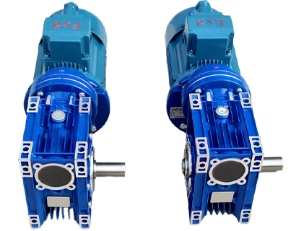
Classified by motor principle
It can be divided into explosion-proof asynchronous motors, explosion-proof synchronous motors, and explosion-proof DC motors.
Classified by usage location
It can be divided into explosion-proof motors for underground coal mines and explosion-proof motors for factories.
Divided by matching host
It can be divided into explosion-proof motors for coal mine transport aircraft, explosion-proof motors for coal mine winches, explosion-proof motors for rock loaders, explosion-proof motors for local fans in coal mines, explosion-proof motors for valves, explosion-proof motors for fans, explosion-proof motors for ships, explosion-proof motors for lifting and metallurgy, and increased safety brushless excitation synchronous motors for hydrogen refueling equipment. In addition, it can also be classified according to technical indicators such as rated voltage and efficiency, such as high-voltage explosion-proof motors, high-efficiency explosion-proof motors, high slip explosion-proof motors, and high starting torque explosion-proof motors.
Classified by explosion-proof principle
It can be divided into explosion-proof motors, increased safety motors, positive pressure motors, non sparking motors, and dust explosion-proof motors.
Product series and their characteristics
Explosion proof motor
It uses an explosion-proof shell to separate electrical components that may generate sparks, arcs, and hazardous temperatures from the surrounding explosive gas mixture. However, this type of casing is not sealed, and explosive gas mixtures around it can enter the interior of the motor through the gaps between the joint surfaces of various parts of the casing. When in contact with ignition sources such as sparks, arcs, and dangerous high temperatures inside the casing, an explosion may occur. At this time, the explosion-proof casing of the motor will not be damaged or deformed, and when the explosive flame or hot gas is transmitted through the gap between the joint surfaces, it cannot ignite the surrounding explosive gas mixture.
Increased safety motor
It is a motor structure that does not generate arcs, sparks, or dangerous high temperatures under normal operating conditions, and takes some mechanical, electrical, and thermal protection measures to further avoid the danger of arcs, sparks, or high temperatures under normal or recognized overload conditions, thereby ensuring its explosion-proof safety.
Spark free motor
It refers to a motor that, under normal operating conditions, will not ignite the surrounding explosive mixture and generally will not experience ignition failure. Compared with the increased safety type motor, the design requirements of the increased safety type motor are the same in all aspects except for the insulation dielectric strength test voltage, winding temperature rise, te (the time from the start of the AC winding passing through the starting current meter to the rise to the limit temperature after reaching the rated operating final temperature at the highest ambient temperature), and the starting current ratio, which do not have special regulations like the increased safety type motor.
Dust explosion-proof motor
The motor refers to a motor whose casing is designed and manufactured according to specified conditions, which can prevent dust from entering the motor casing or, although it cannot completely prevent dust from entering, its entry amount does not hinder the safe operation of the motor, and the accumulation of internal dust is not likely to cause ignition hazards. It also does not cause explosive powder and dust mixture explosions in the surrounding area when used.
Related News