
Knowledge related to the speed of the deceleration motor
Release Time:
2024-11-16
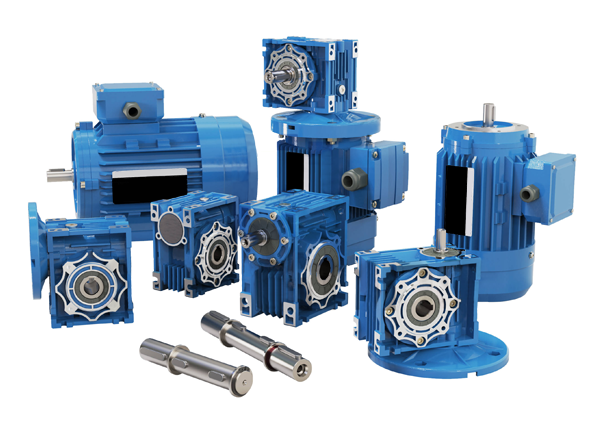
Deceleration motor is an electrical transmission equipment widely used in automation control systems. It is a mechanical device that reduces the motor speed and increases the output torque. It improves the output torque and stability by slowing down the operating speed. It is widely used in various mechanical equipment, such as punching machines, conveyors, CNC motors, robots, transportation facilities, automated production lines, printing machines, and other fields.
Deceleration motor is an electrical transmission equipment widely used in automation control systems. It is a mechanical device that reduces the motor speed and increases the output torque. It improves the output torque and stability by slowing down the operating speed. It is widely used in various mechanical equipment, such as punching machines, conveyors, CNC motors, robots, transportation facilities, automated production lines, printing machines, and other fields.
The normal speed range of a precision reduction motor usually depends on factors such as its rated power, rated voltage, and gear transmission ratio. The speed range of a reduction motor varies depending on different types and models. Generally speaking, the normal speed range of a reduction motor is 50-1500 revolutions per minute, but in actual use, the speed may also vary due to factors such as working environment conditions and workload.
Assuming the reduction ratio is i. The output speed n can be calculated using the following formula: n=motor speed/i. Therefore, with a reduction ratio of 10, the output speed is one tenth of the motor speed, which is 300 revolutions per minute. The reduction ratio adjusts the output speed, and the larger the reduction ratio, the lower the output speed. However, the smaller the reduction ratio, the higher the output speed. For a 0.18kw motor, its speed is generally around 3000 revolutions per minute. If the motor is combined with a reducer to form an integrated machine, the output speed can be adjusted through the reduction ratio. The speed of a 0.18kw motor reducer integrated machine depends on factors such as the motor reduction ratio, speed, and load situation, and the optimal speed needs to be determined through calculation and methods; The integrated 1.1kw motor reducer has an output power of 1.1 kW. When calculating the speed of the integrated 1.1kw motor reducer, the effects of the motor's reduction ratio, speed, and transmission efficiency need to be considered. Generally speaking, the motor's speed is between 2800-3000 rpm, the reduction ratio is between 10 and 50 rpm, and the transmission efficiency is between 0.9 and 0.95. Therefore, calculations can be made based on specific requirements and the model parameters of the motor and reducer. The speed of the 1.1kw motor reducer integrated machine depends on multiple factors, including the motor's reduction ratio, speed, and transmission efficiency, and needs to be calculated according to specific application needs and the model parameters of the reducer and motor.
Gearmotors are mechanical transmission devices used in various fields, including gear reduction motors, worm gear reduction motors, planetary gear reducers, as well as specialized transmission devices such as speed control devices, speed increasing devices, and various composite transmission devices including flexible tooth transmission devices. The product service areas involve chemical machinery, cement machinery, food and light industry, environmental protection machinery, conveying machinery, rubber machinery, ore machinery, electronic appliances, environmental protection, and other fields.
Related News