
Why is the motor missing phase? How to deal with missing phases?
Release Time:
2024-09-06
① Improper selection or poor compression of fuses can cause one phase of the fuse to break. ② The contact of the switch actuator is poor. ③ Loose or broken wire connector. ④ There is an open circuit in one phase winding.
1、 The reasons for the phase loss operation of the electric motor are
① Improper selection or poor compression of fuses can cause one phase of the fuse to break.
② The contact of the switch actuator is poor.
③ Loose or broken wire connector.
④ There is an open circuit in one phase winding.
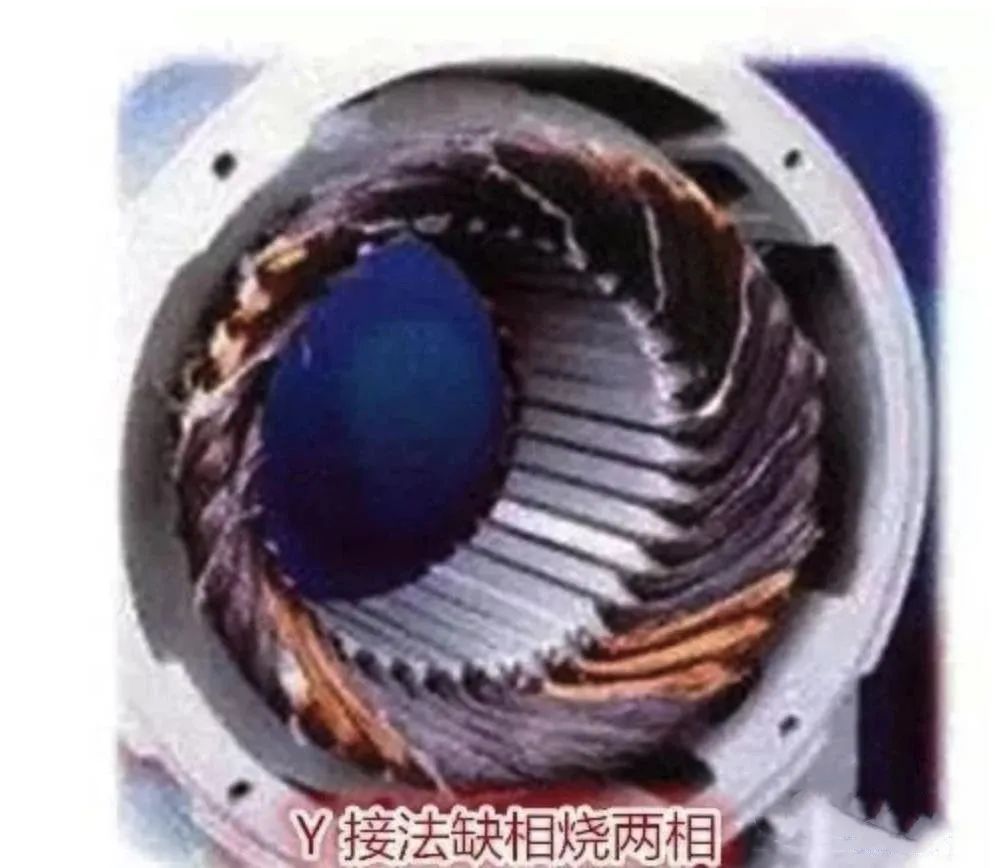
2、 The consequences of motor phase loss operation
1. Changes in motor current during phase loss
When starting or running normally, the three-phase motor is a symmetrical load, and the three-phase currents are equal in magnitude and less than or equal to the rated value. After a phase break occurs, the current in one phase will be reduced to zero, while the current in the other two phases will increase. For example, for motors with a delta connection, when operating normally at rated values, the phase current of each winding is 1/√ 3 times the rated current (line current) of the motor. When the U phase is disconnected, as shown in Figure a, the U and W phase windings are connected in series and then connected in parallel with the V phase winding to run on the V and W phase power supplies. When the rated load remains constant, the phase current of the V-phase winding will be at its maximum, twice that of normal operation (i.e. 1.16 times the rated current of the motor), while the phase currents of the U and W phases remain unchanged, and the line current on the line increases to √ 3 times the rated current. Due to the doubling of the phase current in the V-phase winding compared to normal operation, the winding overheats. For motors with star connection, when the U phase is disconnected, as shown in Figure b, the V and W phase windings are connected in series and run on the V and W phases of the power supply. When the rated load remains constant, the U-phase current is zero, and the current of the V and W two-phase windings increases to √ 3 times the rated current, causing the windings to overheat. From the above analysis, it can be seen that both types of motors will increase the phase current and line current of a certain phase winding (delta connection) or a certain two-phase winding (star connection) when there is a phase loss operation. However, the increased current cannot cause the fuse to melt, but if the motor is operated without phase for a long time, the temperature will rise quickly and it is easy to burn out the motor. It has been proven that when the load of the motor exceeds 40% of the rated load and there is a phase loss operation, the phase current of the winding will exceed the normal value. So in practice, more than 60% -70% of motor burnout accidents are caused by phase loss operation, so phase loss protection for motors is very important.
2. When the motor loses phase during operation
① When fully loaded, there is a phase loss and the motor is in an overcurrent state? When the current exceeds the rated current, it is manifested as high motor noise, rapid and weak speed drop, and rapid temperature rise of the motor, resulting in motor burnout.
② When the motor is running under light load and loses phase, it will continue to operate for a period of time due to inertia, but the speed is low, and the current of the winding that is not disconnected increases rapidly, causing the winding of this phase to be burned due to excessive temperature rise. Therefore, phase failure protection is generally installed in the control circuit of electric motors.
3. Phase loss during startup:
The rotor swings left and right with a strong buzzing sound. The motor cannot start and its winding current is 4-7 times the rated current. The heat generation is 16 to 49 times the normal temperature rise, but it quickly exceeds the allowable temperature rise and causes the motor to burn out.
In short, if one phase of the motor breaks during operation, the following consequences will occur:
① The motor cannot operate normally, causing high temperature rise and reduced insulation, which reduces its lifespan
② If the power is not supplied in a short period of time, it will burn out the insulation and damage the motor, causing direct economic losses. If the disconnection point is electrified, it is easy to cause electric shock or injury accidents
③ The disconnection point is electrified, which can easily cause electric shock or injury accidents
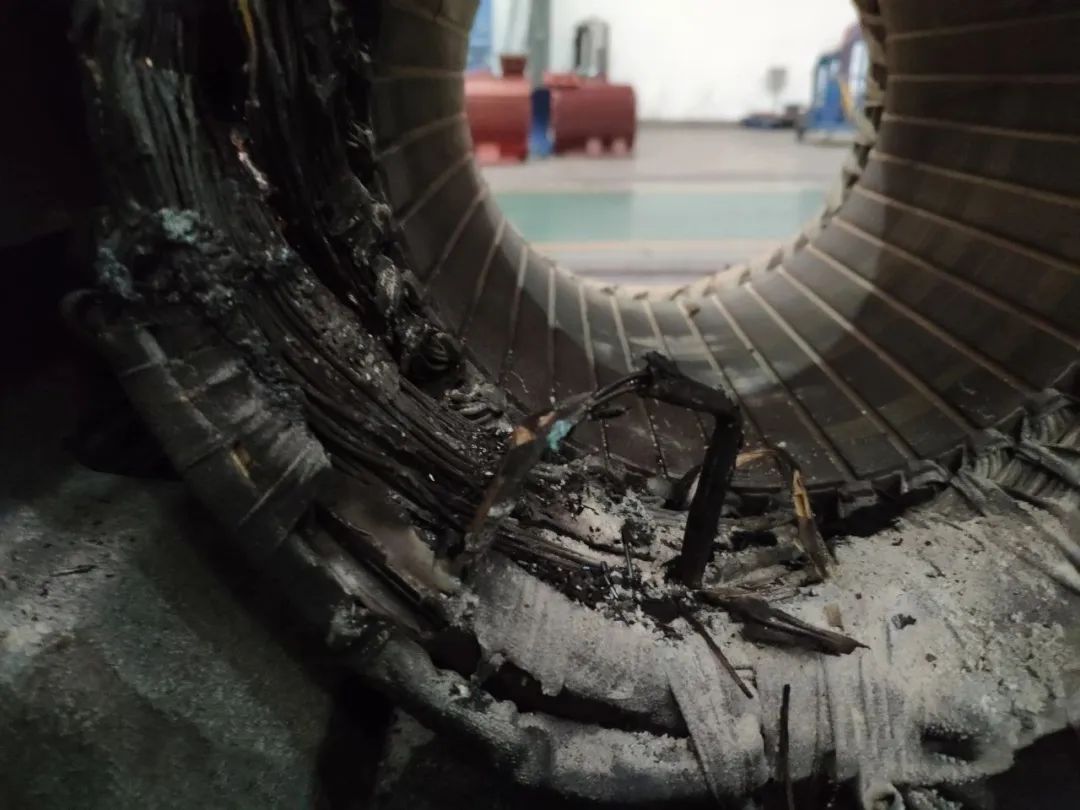
3、 Protection measures for motor phase loss operation
(1) Short circuit protection
. Timely cut off protection for short circuits and high currents in electric motors and their circuits. Otherwise, a large short-circuit current will quickly burn out the motor, circuit, and other equipment, causing significant losses. For low-voltage motors below 500 volts, electromagnetic instantaneous release devices such as fuses or circuit breakers are generally used for short-circuit protection.
(2) Overload protection. For the overload current of the electric motor, the fuse may not necessarily melt. So it is necessary to set up a separate protection device to cut off the overload current. When the motor is overloaded by 20%, the thermal relay will operate within 20 minutes to cut off the power supply. Electric motors generally use thermal relays or circuit breakers with thermal release devices for overload protection.
Related News