
The secret of connecting servo motor and reducer
Release Time:
2024-11-13
In the industrial field, the connection between servo motors and reducers is often for the important purpose of increasing torque. When facing a large load, simply increasing the power of the servo motor is not a wise move, as it is neither economical nor may bring other problems. Choosing a servo reducer with an appropriate reduction ratio within the required speed range is a more reasonable solution.
In the industrial field, the connection between servo motors and reducers is often for the important purpose of increasing torque. When facing a large load, simply increasing the power of the servo motor is not a wise move, as it is neither economical nor may bring other problems. Choosing a servo reducer with an appropriate reduction ratio within the required speed range is a more reasonable solution.
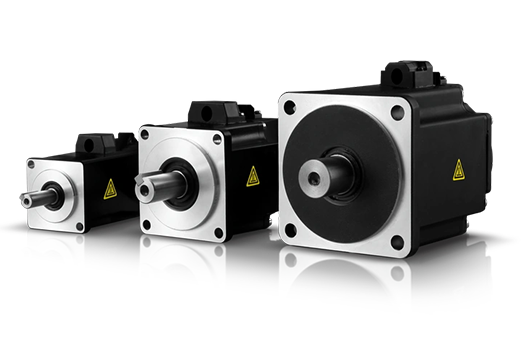
At present, there are mainly two connection methods between reducers and servo motors. The first method is to insert the output shaft of the servo motor into the reducer and connect the two through a flange. There is a deformable clamp in the gearbox, which can tightly grip the shaft of the servo motor by simply operating the locking screw on the gearbox. This connection method is relatively stable and can ensure the efficiency and stability of power transmission.
The second method is to connect through an external coupling. When using this connection method, the servo motor needs to have a keyway. External couplings can also use flexible couplings, also known as flexible shafts. The soft shaft drive power generally does not exceed 5.5KW, but its speed can reach 20000 revolutions per minute, which can play a unique advantage in specific scenarios.
In short, understanding the different connection methods between servo motors and reducers can help choose the most suitable connection scheme based on actual needs, thereby achieving efficient operation of industrial equipment.
Related News