
Energy Efficiency Optimization of Reduction Motor in Belt Conveyor System
Release Time:
2024-11-09
With the continuous improvement of industrial production automation, belt conveyor systems play a crucial role in various production enterprises. It can achieve continuous, efficient, and smooth transportation of materials, effectively reducing labor costs and improving production efficiency. In the belt conveyor system, as a key power transmission equipment, the energy efficiency optimization of the reduction motor is particularly important. This article will explore how to improve the energy efficiency of belt conveyor systems from the aspects of selecting, installing, and debugging deceleration motors.
With the continuous improvement of industrial production automation, belt conveyor systems play a crucial role in various production enterprises. It can achieve continuous, efficient, and smooth transportation of materials, effectively reducing labor costs and improving production efficiency. In the belt conveyor system, as a key power transmission equipment, the energy efficiency optimization of the reduction motor is particularly important. This article will explore how to improve the energy efficiency of belt conveyor systems from the aspects of selecting, installing, and debugging deceleration motors.
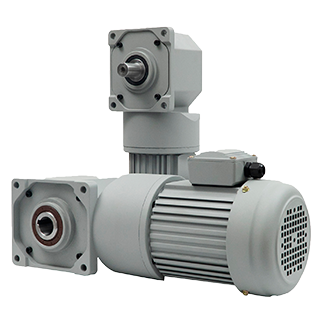
1、 Selection of deceleration motor
1. Reasonably select the type and power of the deceleration motor based on parameters such as the load size, conveying speed, and operating frequency of the conveying system. Avoid using deceleration motors that are too large or too small, as this may result in energy waste or inability to meet transportation needs.
2. Consider the efficiency of the deceleration motor. Choosing a more efficient deceleration motor under the same power conditions is beneficial for reducing the energy consumption of the system.
3. Choose a deceleration motor with good adaptive ability. When the load of the conveying system changes, the deceleration motor should be able to automatically adjust the output torque and maintain a stable operating state.
Installation of deceleration motor
1. Ensure that the connection between the deceleration motor and the belt conveyor system is correct and secure. For gear reduction motors, it is necessary to check the clearance between the gears and the transmission shaft to avoid vibration and noise caused by excessive clearance.
2. The installation position of the deceleration motor should be as close to the load as possible, which can shorten the belt length and reduce energy loss.
During the installation process, it is necessary to ensure that the base of the deceleration motor is level to avoid unstable operation caused by an uneven base.
In the belt conveyor system, the energy efficiency of the system can be effectively improved by selecting, installing, debugging, and maintaining the deceleration motor reasonably. This not only helps to reduce production costs and improve production efficiency, but also contributes to China's energy conservation, emission reduction, and green environmental protection undertakings.
3、 Debugging of deceleration motor
1. Adjust the speed of the deceleration motor to meet the requirements of the conveying system. This can be achieved by changing the gear ratio or adjusting the motor voltage.
During the debugging process, check the operating noise, vibration and other indicators of the deceleration motor to ensure its smooth operation. If there is any abnormality, the cause should be promptly identified and dealt with.
- Adjust the belt tension to maintain appropriate friction between the conveyor belt and the drum. Excessive tension will increase energy consumption, while insufficient tension will cause the belt to slip.
Related News